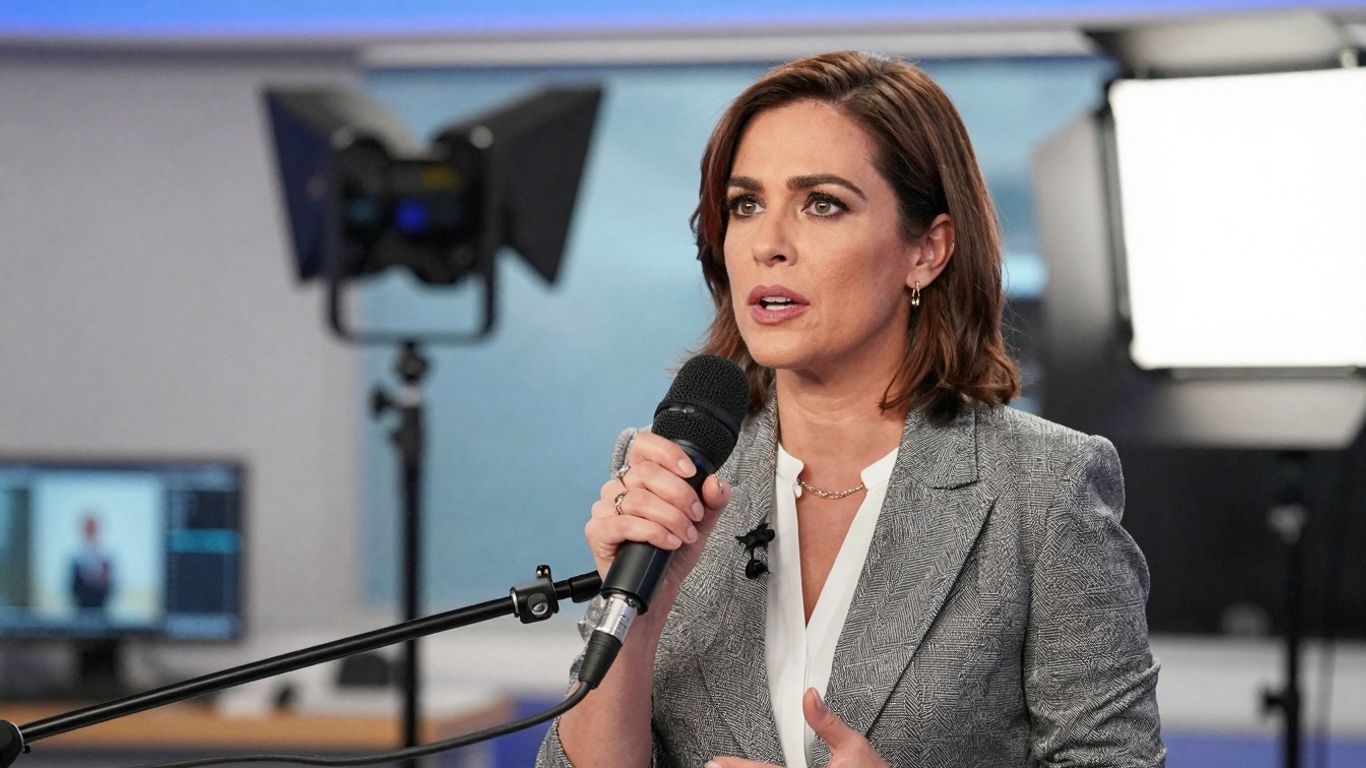
How Media Training Helps You on Melbourne TV or Radio
Thinking about getting your message out there on Melbourne’s TV or radio? It can feel a bit daunting, especially when you’re not used to the spotlight. That’s where media training comes in. It’s not about changing who you are, but about giving you the tools to speak clearly and confidently when it counts. This training can make a real difference in how effectively you connect with audiences on screen or through the airwaves.
Key Takeaways
- Understanding how Melbourne’s media works helps you prepare better for interviews.
- Media training gives you practical skills for TV and radio appearances, like crafting your main points and handling tough questions.
- You’ll learn how body language and your voice matter, especially on camera.
- Practising with mock interviews is a good way to get ready for the real thing.
- Good preparation means you can make the most of any chance to be on TV or radio.
Why Media Training is Crucial for Melbourne Professionals
Understanding the Melbourne Media Landscape
Melbourne’s media scene is a dynamic and fast-paced environment. From the daily news cycles of major television networks and radio stations to the influential voices in print and online publications, getting your message heard requires more than just having something important to say. You need to understand how these outlets operate, what journalists are looking for, and how to present your information in a way that cuts through the noise. Knowing the local media landscape is your first step to effective communication. It’s about building relationships and understanding the rhythm of news in our city.
Key Benefits of Media Training for TV and Radio Appearances
Engaging with television and radio presents unique challenges and opportunities. Media training equips you with the practical skills to handle these situations confidently. You’ll learn how to:
- Craft clear and memorable key messages that stick with the audience.
- Respond effectively to challenging questions and steer the conversation back to your core points.
- Manage your non-verbal communication, including body language and vocal tone, to project confidence and credibility.
- Adapt your delivery for the distinct demands of television versus radio interviews.
Without proper preparation, even the most well-intentioned spokesperson can find themselves misquoted or unable to convey their organisation’s message effectively. Media training provides the tools to ensure your voice is heard clearly and accurately.
Greg Dyett is a media training expert who offers specialised services to professionals. “Ultimately, media training isn’t just about surviving an interview; it’s about thriving in it”, he told Melbourne Businesses. “It’s about turning a potential challenge into a powerful opportunity to connect with your audience and achieve your communication goals right here in Melbourne.”
What You’ll Learn in a Media Training Course

A good media training course is designed to equip you with practical skills, not just theory. You’ll learn how to distill your organisation’s goals into clear, memorable statements. This involves understanding how to craft your key messages so they are easily understood by the public and stick in their minds long after the interview concludes.
Crafting Your Key Messages
Developing your core messages is an art. You’ll practice condensing complex information into concise soundbites. This isn’t about simplifying to the point of losing meaning, but rather about finding the most impactful way to communicate your point. Think of it as creating a strong, clear headline for your organisation’s story. We focus on making sure your message is delivered effectively the first time, so you don’t have to worry about follow-up clarifications.
Handling Difficult Questions and Interviewers
Journalists sometimes ask tough questions, and that’s part of their job. Media training teaches you techniques to stay composed and on track. You’ll learn how to bridge from a difficult question back to your key message, a skill that can be invaluable. It’s about maintaining control of the conversation without appearing evasive. We simulate these challenging scenarios so you feel prepared, not panicked, when they arise.
Non-Verbal Communication: Body Language and Tone
What you don’t say can be as important as what you do say. Training will focus on your posture, eye contact, and vocal delivery. For television, looking directly down the camera lens when appropriate helps create a connection with the audience. On radio, your tone of voice carries the entire message. We work on projecting confidence and sincerity through your physical presence and vocalisation.
Understanding Different Media Formats (TV vs. Radio)
Each media format has its own nuances. A television interview involves visual elements – what you wear, your background, and your on-camera presence. Radio is purely auditory, so your voice and the clarity of your message are paramount. You’ll learn how to adapt your approach for each, understanding the specific demands and opportunities presented by TV and radio interviews.
A well-prepared spokesperson can transform a potentially challenging media encounter into a positive opportunity to communicate their organisation’s value and perspective effectively.
Preparing for Your Melbourne TV or Radio Interview
Getting ready for a media appearance in Melbourne requires more than just showing up. It’s about strategic preparation to ensure you represent yourself and your organisation effectively. Think of it as a performance where the script is your message, and the audience is the wider public.
Researching the Outlet and Journalist
Before you even think about what you’ll say, you need to know who you’re talking to. Understanding the specific Melbourne TV or radio station, and the journalist assigned to interview you, is paramount. What’s their usual audience? What kind of stories do they typically cover? A quick look at their recent broadcasts or articles can reveal a lot about their angle and what they’re looking for. Knowing the journalist’s background and previous interview style can help you anticipate their approach. This isn’t about trying to trick them; it’s about understanding the context so you can tailor your responses and ensure your message lands with their viewers or listeners. For instance, a segment on a morning show will have a different tone and pace than a deep dive on a current affairs program. Familiarise yourself with the outlet’s general approach to news.
Practicing Your Delivery: Mock Interviews
Preparation is key, and practice makes a significant difference. Engaging in mock interviews is one of the most effective ways to hone your skills. These sessions simulate the pressure and environment of a real interview, allowing you to refine your delivery without the high stakes of a live broadcast. A good mock interview will:
- Simulate realistic interview scenarios: This includes various question types, from straightforward to challenging.
- Provide constructive feedback: Focus on your clarity, conciseness, and message delivery.
- Help you adapt to different formats: Practice for both TV and radio, as the techniques can differ.
Practising allows you to become comfortable with your key messages and how to articulate them under pressure. It helps to iron out any nervous habits and ensures you can respond thoughtfully, rather than reactively. This practice builds confidence, which is visible and audible to your audience.
Consider these elements during your practice sessions:
- Message clarity: Are your main points easy to understand?
- Conciseness: Can you deliver your message without rambling?
- Tone and pace: Does your voice sound confident and engaging?
- Body language (for TV): Are you maintaining appropriate eye contact and posture?
By dedicating time to thorough research and practice, you can transform a potentially nerve-wracking interview into a successful opportunity to communicate your message effectively to the Melbourne audience.
Making the Most of Your Media Opportunity in Melbourne

You’ve invested time and effort into media training, and now it’s time to put those skills to work. A media appearance in Melbourne, whether on TV or radio, is a chance to connect with a broad audience and share your message. Treat every interview as a performance, but one grounded in authenticity.
Think of the interview as a conversation, albeit a public one. Your goal is to be clear, concise, and memorable. Remember the techniques you’ve practiced: bridging to your key messages, staying on point, and using your body language and tone effectively. Even a brief radio segment requires focus; your voice becomes your primary tool for conveying credibility and personality.
Here are a few points to keep in mind:
- Know your audience: Tailor your language and examples to who you’re speaking with. What matters to Melburnians?
- Be prepared for the unexpected: Journalists might ask questions you haven’t anticipated. Stay calm and refer back to your core messages.
- Listen actively: Pay close attention to the question asked. This shows respect and helps you provide a relevant answer.
- End on a strong note: If possible, try to conclude your thoughts with a key takeaway or a call to action.
The media landscape in Melbourne is dynamic. Your training equips you to navigate it with confidence, turning potential challenges into opportunities to inform and engage.
Don’t underestimate the power of a well-handled interview. It’s not just about answering questions; it’s about shaping perceptions and building trust with the public. Your preparation is your foundation, but your delivery is what makes the difference.
Ready for Your Close-Up?
So, you’ve seen how media training can really make a difference when you’re asked to speak on Melbourne TV or radio. It’s not just about knowing what to say, but how to say it, and feeling good while you’re doing it. Whether you’re in a studio or a boardroom, having these skills means you can share your message clearly and confidently. Think of it as getting ready for your moment – with the right preparation, you’ll be able to handle any interview and make sure your organisation shines. It’s about being prepared, feeling confident, and making sure your voice is heard the way you want it to be.
Frequently Asked Questions
What exactly is media training, and why should I bother with it for Melbourne TV or radio?
Media training is like getting a special set of tools and tips to help you talk clearly and confidently on TV or radio. In Melbourne, there are lots of news channels and stations, and knowing how to get your message across well can really help your business or organisation get noticed for the right reasons.
What sort of things will I learn in a media training course?
You’ll learn how to figure out the main points you want to make and how to say them in a way that’s easy to remember. You’ll also get tips on how to handle tricky questions without getting flustered and how to use your body language and voice to sound your best, whether you’re on camera or just on the radio.
How will media training help me if I’m interviewed on a Melbourne TV show?
Training will show you how TV studios work, where to look when you’re talking, and how to sit or stand so you look professional. It helps you feel less nervous under the bright lights and makes sure you don’t get distracted, so your message stays strong.
Is media training different for radio compared to TV?
Yes, it can be. For radio, your voice and what you say are everything. For TV, you also need to think about how you look and your body language. Training will help you understand these differences so you can be ready for either.
What’s the best way to get ready for an interview after my training?
After your training, it’s a good idea to do some practice interviews, just like the ones you’ll do in real life. Also, do a bit of homework on the TV or radio station you’ll be on and the person interviewing you. Knowing who you’re talking to helps a lot.
Will media training help me if I have to deal with a difficult journalist?
Absolutely. A big part of media training is learning how to stay calm and in control, even when someone asks tough or unexpected questions. You’ll learn techniques to steer the conversation back to your main points without being rude.