
Dealing With Volatile Cash Flow in your Business
Dealing with cash flow issues in your business can feel like trying to steer a ship through a storm. Markets shift, customer habits change, and suddenly, the money coming in and going out doesn’t quite match up like it used to. It’s a common problem, especially when the economy is a bit unpredictable. But don’t worry, with the right approach, you can get your business back on a steady course. This article will walk you through some practical ways to manage your money better when things get a bit rocky.
Key Takeaways
- Keep a close eye on your money coming in and going out. Knowing where your cash is at all times helps you spot potential cash flow issues before they become big problems.
- Plan ahead with cash flow forecasts. Try to predict what your money situation will look like in the coming weeks and months, and update these predictions regularly.
- Speed up how quickly you get paid by customers. Sending invoices out fast and following up on late payments can make a real difference.
- Talk to your suppliers about payment terms. Sometimes, getting a bit more time to pay your bills can help balance things out.
- Make sure everyone in your business understands how their work affects the company’s cash flow. When everyone is on board, it’s easier to manage.
Understanding Cash Flow Issues In A Volatile Market
What Constitutes Effective Cash Flow Management?
Effective cash flow management is about more than just having money in the bank. It’s the ongoing process of tracking, analysing, and optimising how money moves in and out of your business. When done well, it means you have enough readily available funds to cover your day-to-day operations, handle unexpected bumps in the road, and even invest in growth without needing to rely heavily on borrowing. It’s important to remember that profit on paper doesn’t always translate to cash in hand. Your actual cash flow depends on when you get paid by customers and when you have to pay your suppliers, not just the total amount of money earned and spent.
Why Cash Flow Is Paramount For Business Survival
For any business, especially smaller ones, cash flow isn’t just a financial metric; it’s a lifeline. Running out of cash is a primary reason why new businesses fail. Without sufficient liquid funds, you can’t pay your staff, your suppliers, or your rent. This can quickly lead to a domino effect, damaging relationships and potentially forcing you to close your doors. In a volatile market, where income can fluctuate unexpectedly, maintaining a healthy cash flow becomes even more critical for survival.

Recognising The Early Indicators Of Cash Flow Problems
Often, cash flow issues don’t appear overnight. They can start subtly. Paying your suppliers late, even by a few days, can be an early sign that your reserves are stretched. Consistently carrying a balance on your company credit cards for everyday expenses also points to a problem, as the interest charges add up quickly. Another indicator is when your accounts receivable – the money owed to you by customers – starts to grow significantly, not because you’re making more sales, but because customers are taking longer to pay. If you don’t have a clear picture of your cash position for the next few weeks or months, you’re vulnerable to unexpected expenses or payment delays. These signs, if ignored, can escalate into more serious financial trouble.
In today’s economic climate, where things can change quickly, having a clear view of your money is more important than ever. It helps you make smart decisions and avoid nasty surprises.
Proactive Strategies To Address Cash Flow Issues
In today’s unpredictable economic climate, simply reacting to cash flow challenges isn’t enough. A proactive approach is vital for maintaining stability and seizing opportunities. This involves anticipating potential shortfalls and implementing robust systems to manage your business cash flow effectively.
Developing Accurate Cash Flow Forecasts
Forecasting is your roadmap for financial stability. It’s about looking ahead, typically for the next 13 weeks, to map out expected money coming in and going out. Regularly updating these estimates, ideally weekly, keeps your projections current and relevant. This forward-thinking allows you to plan ahead, rather than scrambling when unexpected pressures arise. For instance, if a forecast highlights a potential cash gap due to a delayed client payment, you can proactively adjust by renegotiating terms with a supplier to push back an expense, thereby bridging the shortfall.
While a simple spreadsheet can suffice for many small businesses, more complex needs might benefit from tools with automated forecasting features. The key is consistency: review and update your rolling forecast weekly to ensure it remains a reliable part of your cash flow management system. This consistent review helps you plan for seasonal changes.
Diligent Tracking Of Your Financial Movements
Beyond forecasting, meticulous tracking of every financial transaction is non-negotiable. This means understanding where every dollar comes from and where it goes. Consider these practical steps:
- Accelerate Receivables: Invoice clients immediately upon completion of work. Offer small discounts for prompt payment, such as a 2% reduction for payment within 10 days. Promptly follow up on overdue accounts. Even shaving a few days off your average collection period can significantly boost your available cash.
- Streamline Inventory Management: Excess stock ties up valuable capital. Regularly audit your inventory to identify slow-moving items and avoid over-ordering. If a product has been on the shelf for an extended period, consider a promotion to clear it and reinvest the funds into faster-selling items.
- Review Discretionary Spending: Identify non-essential expenses that can be paused or reduced without harming core operations. This might include delaying a marketing campaign or reducing travel. Even small savings can free up cash for more immediate needs. Keep a record of deferred expenses to revisit later.
Effective cash flow management is not just about numbers; it’s about making informed decisions that keep your business solvent and ready for growth.
Establishing A Robust Contingency Plan
Even with the best forecasting and tracking, unforeseen events can occur. A contingency plan acts as your safety net. This involves identifying potential risks – such as a major client defaulting or a sudden increase in operating costs – and outlining specific actions to take. It also means ensuring you have access to liquidity before a crisis hits. If you have a line of credit, consider drawing on it pre-emptively rather than waiting until your cash reserves are depleted. This provides flexibility and avoids the stress of scrambling for funds when you need them most. Remember to use these resources strategically to avoid overextending your business.
Optimising Your Inflows And Outflows
Accelerating Customer Payments
Getting paid promptly is the lifeblood of any business, especially when market conditions are unpredictable. You can take several steps to encourage your customers to settle their accounts faster. Firstly, ensure your invoicing process is as efficient as possible. Send invoices out the moment a job is complete or a product is delivered. Delays here only push back your payment date. Consider offering a small discount for early payment, perhaps 2% off if they pay within 10 days. While it might seem like a small cost, the benefit of having that cash in hand sooner can be significant. Prompt follow-up on overdue accounts is also non-negotiable. A polite but firm reminder can often resolve late payments without further complication. Reducing the average time it takes to collect payments, even by a few days, can make a noticeable difference to your available cash.
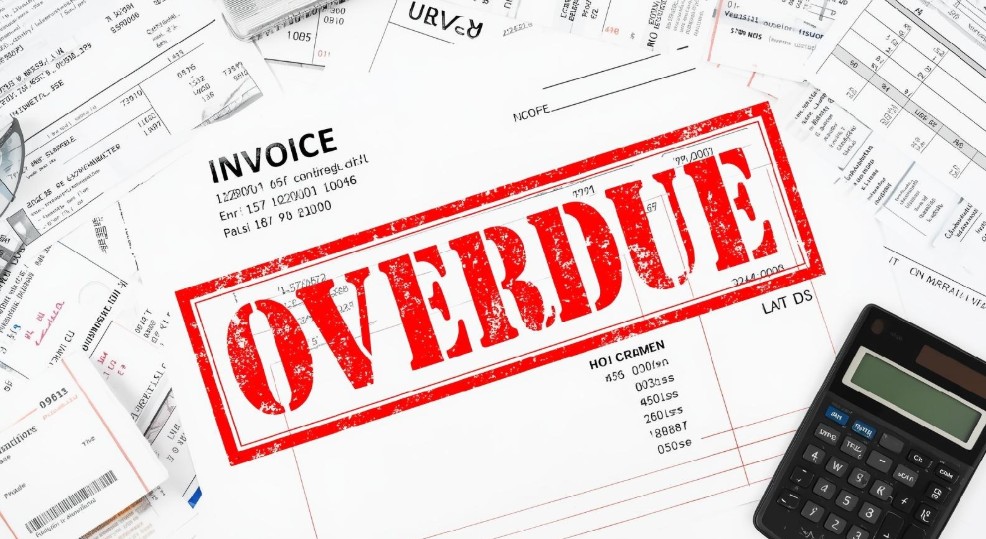
Popular accounting software Xero helps with overdue payments through automated reminders, visual tracking, and by making it easy to apply late fees, reducing manual chasing and improving cash flow by prompting customers to pay faster. It sends customisable alerts before and after due dates, shows outstanding amounts on an invoice dashboard, and can integrate with apps for automated interest charges, streamlining the collection process.
Negotiating Favourable Supplier Terms
Just as you want your customers to pay you quickly, you can also work with your suppliers to give yourself more breathing room. If your suppliers typically offer payment terms like ‘net 30’, don’t hesitate to ask if they can extend this to ‘net 45’ or even ‘net 60’. This negotiation can be particularly successful if you have a history of reliable payments or are willing to set up automatic payments in return. Extending your payment window allows your own cash inflows to better align with your outflows, providing a more stable financial rhythm. Many suppliers are willing to discuss these arrangements, understanding that flexibility can help maintain a strong business relationship.
Streamlining Inventory Management
Excess stock is essentially cash sitting idle on your shelves. It’s vital to regularly audit your inventory levels. Identify products that aren’t moving quickly and avoid placing large orders for them. If a particular item has been in stock for a long time, consider running a sale or promotion to clear it out. The cash generated from selling these slower-moving items can then be reinvested into inventory that has a higher turnover rate. This careful management of stock ensures that your capital is working efficiently for your business, rather than being tied up in goods that aren’t generating immediate returns. This approach is a key part of effective cash flow management.
Managing your inventory effectively means understanding what sells and when. It’s about having enough to meet demand without being overstocked. This balance frees up capital that can be used for other pressing needs or strategic investments.
Adapting To Shifting Customer Behaviour
Customer habits can change quickly, especially when the economy feels uncertain. It’s important to notice these shifts and adjust how your business operates.
Adjusting Expectations Based On Payment Patterns
When customers start taking longer to pay their invoices or perhaps cancel recurring orders, your cash flow forecasts need to reflect this. Don’t just assume things will go back to the way they were. The sooner you spot these changes in how and when customers are paying, the quicker you can update your financial plans and get ahead of any potential problems. For instance, if your average payment time has increased by five days, factor that into your projections. This might mean you need to be more careful with your own spending or look for ways to speed up other incoming payments.
Strategies For Customer Retention During Downturns
Losing customers is costly, especially when cash is tight. Think about why customers might be pulling back. Are they cutting costs themselves? Are they worried about their own future? Reaching out to key clients who seem to be disengaging is a good first step. You might offer them more flexible payment terms, perhaps breaking down a larger invoice into smaller, more manageable payments over time. Consider if a subscription model could work for your products or services; this can provide a more predictable income stream for you and spread the cost for your customers.
- Offer Flexible Payment Options: Explore options like instalment plans or accepting payments via digital wallets, which are increasingly popular.
- Communicate Proactively: Keep customers informed about any changes that might affect them and how you’re working to support them.
- Review Pricing and Value: Ensure your pricing still aligns with the value customers perceive, especially if they are facing their own financial pressures. Sometimes a small adjustment or a bundled offer can make a big difference.
Understanding that your customers are also likely feeling the economic pinch is key. Empathy and flexibility can go a long way in maintaining these important relationships when times are tough.
Leveraging Financial Resources Effectively
When your business faces unpredictable cash flow, it’s not just about cutting costs or chasing payments. It’s also about smartly using the financial tools and support available to you. Think of it like having a toolkit; you need to know which tool to pick for the job, and when to use it.
Strategic Use Of Available Credit Lines
Access to credit, like a business line of credit, can be a lifeline. Instead of waiting until you’re in a tight spot, consider drawing on these funds pre-emptively. This means using them before a cash shortfall becomes critical. It gives you breathing room to manage expenses without the immediate pressure of a crisis. However, it’s important to be strategic. Drawing too much can lead to unnecessary interest costs or over-leveraging your business, so use it thoughtfully to cover immediate needs or planned shortfalls.
Exploring Government Funding And Grants
Don’t overlook potential support from government bodies or industry-specific organisations. Grants and funding programs are often designed to help businesses, especially during challenging economic periods. These can provide non-repayable funds or low-interest loans that can significantly bolster your cash reserves. Research what’s available in your sector and region; the application process can be detailed, but the financial benefit can be substantial.
Seeking External Financial Expertise
Sometimes, the best way to manage your finances is to bring in someone who specialises in it. Hiring a fractional Chief Financial Officer (CFO) can provide expert guidance without the cost of a full-time executive. These professionals offer an objective viewpoint, helping you identify blind spots in your financial strategy, stress-test your plans, and make more informed decisions. They can help refine your forecasting, manage your financial resources, and build a more resilient financial structure for your business.
Having a clear picture of your financial position and understanding how to access and utilise external support are key to navigating volatile cash flow periods.
Here’s a quick look at how these resources can help:
- Credit Lines: Provide immediate liquidity for short-term gaps.
- Government Grants/Funding: Offer capital that may not need repayment.
- External Expertise (e.g., Fractional CFO): Deliver strategic advice and financial planning support.
| Resource Type | Primary Benefit | Potential Drawback |
|---|---|---|
| Line of Credit | Quick access to funds | Interest costs, risk of over-leveraging |
| Government Grants | Non-repayable funds | Time-consuming application process, eligibility criteria |
| Fractional CFO | Expert advice, objective perspective | Cost, finding the right fit for your business |
Cultivating A Cash-Conscious Business Culture
Beyond the spreadsheets and forecasts, the real strength in managing cash flow lies in how your entire team thinks about money. It’s not just a finance department concern; it’s a shared responsibility that touches every part of your operation. When everyone understands their role in the financial health of the business, even small adjustments can make a big difference.
Embedding Financial Awareness Across Departments
Making cash flow a priority means ensuring that every team member, from sales to operations, understands how their daily decisions impact the company’s liquidity. For instance, the sales team can focus on securing deals with quicker payment terms, while operations might identify non-essential purchases that can be deferred. Customer service plays a part too, by flagging clients who might be struggling, which could affect recurring income.
- Sales: Prioritise deals with faster payment terms.
- Operations: Review and delay non-essential expenditures.
- Customer Service: Identify clients showing signs of potential payment difficulties.
Making Cash Flow a Shared Responsibility
This isn’t about micromanagement; it’s about building a collective understanding. When employees see how their actions contribute to the company’s financial stability, they become more invested. This shared ownership helps in making more informed decisions across the board, moving beyond just the bottom line to consider the immediate cash implications.
A culture where cash is respected, tracked, and optimised as part of everyday work is a powerful asset, especially when markets are unpredictable.
Continuous Improvement in Financial Disciplines
Building this kind of culture isn’t a one-off task. It requires ongoing effort, training, and reinforcement. Regularly integrating cash flow considerations into your decision-making processes and providing training for team leaders on the financial impact of their choices will help solidify these practices. Think of it as a discipline that needs constant attention to remain effective.
Wrapping Up: Staying Ahead of Cash Flow Changes
Look, managing money in your business isn’t always straightforward, especially when the economy feels a bit wobbly. We’ve talked about a few ways to keep things steady, like keeping a close eye on where your money is going and coming from, and having a backup plan for when things get tight. It’s really about being prepared and making smart choices. By putting these ideas into practice, you can help make sure your business stays on solid ground, no matter what the market throws your way. Remember, a little planning goes a long way.
Frequently Asked Questions
What exactly is cash flow, and why is it so important for my business?
Think of cash flow as the money moving in and out of your business. It’s like your business’s lifeblood. Even if you’re making sales on paper, if the money isn’t actually coming in, you can’t pay your bills or your staff. Good cash flow means you have enough money to keep things running smoothly day-to-day and handle unexpected costs.
How can I tell if my business is starting to have cash flow problems?
Watch out for a few warning signs. Are you often late paying your suppliers? Are you relying heavily on credit cards for everyday expenses? Is it taking longer and longer to get paid by your customers? If you don’t have a clear idea of how much cash you’ll have in the next few weeks, these could all be signs that your cash flow needs attention.
What’s the best way to predict my business’s future cash flow?
You can create a cash flow forecast. This is basically a plan that shows how much money you expect to come in and go out over a certain period, like the next few months. Regularly updating this forecast, especially when things are unpredictable, helps you spot potential money shortages before they become big problems.
How can I get my customers to pay me faster?
You can speed things up by sending out invoices right away after you’ve done the work. Consider offering a small discount if they pay early, like a couple of percent off if they settle the bill within ten days. Also, make sure you follow up promptly on any payments that are overdue.
What should I do if I think a cash flow shortage is coming?
It’s wise to have a backup plan. This might involve talking to your bank about a loan or a line of credit you can use if needed. You could also look at temporarily cutting back on non-essential spending or negotiating with suppliers to give you a bit more time to pay them.
How can my whole team help with managing cash flow?
Cash flow isn’t just a job for the finance department! Everyone can play a part. For example, your operations team can hold off on non-urgent purchases, and your sales team can try to close deals with quicker payment terms. When everyone understands how their actions affect the money coming in and going out, it makes a big difference.