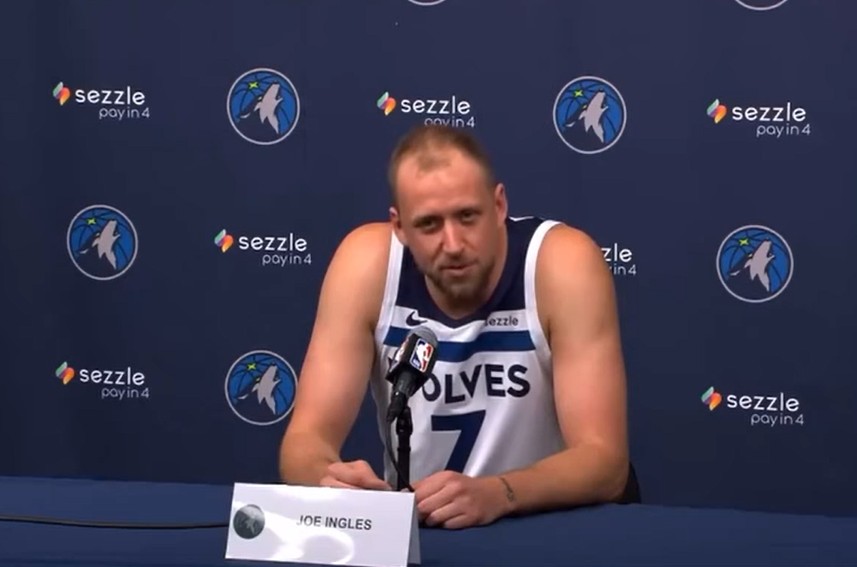
The Kid From Adelaide Who Wasn’t Supposed to Last — Joe Ingles Is Coming Home
He went undrafted. Spent years playing in Spain and Israel while his peers built NBA careers. Finally cracked a roster at 27 — an age when most players are already past their peak — and then stuck around for nine seasons.
Joe Ingles is retiring from the NBA and signing with Melbourne United, and the story of how he got here is one Australian sport won’t stop telling for a while.
Nobody Gave Him a Seat at the Table
The 2009 NBA Draft came and went without Ingles’ name being called. Not in the first round. Not in the second. He packed his bags and went to Europe — Joventut in Spain, then Maccabi Tel Aviv in Israel — putting in the kind of unglamorous, unglamourised work that doesn’t make highlight reels. He played for the Perth Wildcats in the NBL too, good enough to win there, but still not enough to make the league’s gatekeepers take notice.
He was 27 when the Utah Jazz finally gave him a proper shot in 2014. Twenty-seven. In a league obsessed with youth and athleticism, that’s practically a rounding error from retirement. He couldn’t jump over anyone. Wasn’t going to blow past defenders. Nobody was putting him in a draft class projection graphic or talking about his upside.
What he had instead was basketball intelligence that was simply in a different category. The ability to read a game as it was happening — not just the play being run, but the three that would follow. He knew where to be before the ball got there. He made the right pass when the wrong pass was more tempting. His three-point shooting sat above 40% across multiple seasons, which is excellent for anyone, let alone a guy who wasn’t supposed to be in the league at all.
And then there was the trash talk. Delivered dead-pan, unhurried, with the energy of someone completely unbothered. It became its own kind of legend — opponents would complain about it in post-game press conferences, which only seemed to amuse him more. He was beloved in Salt Lake City in a way that’s hard to manufacture. Fans don’t fake that kind of affection for eight years.
The Hard Bit
January 2022. Playing for the Milwaukee Bucks after a mid-season trade from Utah, Ingles tore his ACL. He was 34.
Plenty of careers end there. The rehab is brutal, the timeline is long, and at that age the body doesn’t always cooperate the way it used to. He came back anyway. Signed with the Portland Trail Blazers, then played a season with the Orlando Magic, which is not a glamorous way to close out an NBA career — but he was still there, still competing, still not giving anyone the satisfaction of watching him quit.
By the time he walked away, he’d appeared in more than 470 NBA games. For the kid who wasn’t drafted, who played his twenties in European leagues waiting for someone to notice — that’s not nothing. That’s a remarkable career built almost entirely through stubbornness and smarts.
What He Meant to the Boomers
Ingles was part of the Boomers setup for years — long enough to have lived through the tournament exits that didn’t quite become what everyone hoped they would. The program had real NBA talent for most of the 2010s. It didn’t always show up in the results. Semifinals, quarterfinals, close games that went the wrong way. At some point you stop calling it bad luck.
Tokyo 2020 was different. The Boomers beat Slovenia for bronze and ended something that had dragged on for the entire history of the men’s program — no Olympic medal, ever, until that night. Patty Mills carried the tournament offensively in a way that still seems almost implausible in hindsight, but Ingles was in that core group. He’d been there for the losses. He knew what they felt like.
Watching those players celebrate was different from a typical sporting moment. There was something in it that looked like relief as much as joy.
What Melbourne United Are Inheriting
The NBL has grown into a legitimate competition. The level is real. So landing Ingles, even at 38 with mileage on his body, is a genuine statement.
He won’t be the same player he was in Utah. That’s not how this works. But his shooting will still translate, and basketball IQ doesn’t deteriorate the way pace does. Every young player who spends a season sharing a court with him is getting an education that doesn’t show up anywhere in the official stats.
Whether he can stay available across a full NBL campaign is a reasonable question — and one nobody knows the answer to yet.
What’s not in question is what he represents. Australian basketball produced a player the sport’s biggest league didn’t want, and he went and proved them wrong for nearly a decade. He’s coming home now, to a league that has grown up alongside him in some ways, and Melbourne United are better for having him.
It’s a good ending. Or maybe it’s not an ending at all.