Navigating the Darkest Legal Tint: Your Guide to Australian Window Film Regulations
Window tinting is a very popular practice for cars in Melbourne and throughout Australia. It provides added privacy as well as reducing the glare from the sun.
Australia has specific laws about how dark your tint can be, and these rules change depending on where you live. Getting it wrong means fines and hassle, so let’s break down what the darkest legal tint actually means for you.
Key Takeaways
- Window tinting laws in Australia are set by each state and territory, so what’s legal in one place might not be in another.
- The darkness of tint is measured by Visible Light Transmission (VLT), with lower percentages meaning a darker tint.
- Generally, front side windows can have a maximum of 35% VLT, while rear windows can be darker, often around 20% VLT (though the NT allows 15%).
- Reflectivity is limited to 10% across most of Australia, meaning your tint shouldn’t look like a mirror.
- Always check your local state or territory regulations and consider professional installation to ensure you comply with the darkest legal tint rules.
Understanding Australia’s Darkest Legal Tint
When considering window tinting for your vehicle in Australia, it’s important to know the rules. These regulations are in place to ensure visibility and safety on our roads. The primary factors determining legality are Visible Light Transmission (VLT) and reflectivity. Understanding these measurements is key to avoiding fines and ensuring your tint is compliant.
Unfortunately a proportion of car owners have got a tint that is darker than legally allowed, making their vehicle unroadworthy.
Visible Light Transmission: The Key Measurement
VLT refers to the percentage of light that passes through your car windows. A lower VLT percentage means a darker tint. Each Australian state and territory has specific VLT limits for different windows on your vehicle.
- Front Side Windows: Generally, the VLT limit for windows on either side of the driver is 35% across Australia.
- Rear Windows: For windows behind the driver, the legal VLT is typically 20%. However, some areas, like the Northern Territory, allow for a slightly darker tint of 15%.
- Windscreens: Most jurisdictions permit a clear or very lightly tinted film at the very top of the windscreen, often referred to as a ‘sun strip’. This strip usually cannot extend below the highest point reached by your windscreen wipers.
Reflectivity Limits: Avoiding the Mirror Effect
Beyond darkness, the amount of light your tint reflects is also regulated. This is to prevent glare that could affect other road users. Most Australian states and territories limit tint reflectivity to 10%. This means highly reflective, mirror-like finishes are generally not permitted.
State-Specific Variations for Darkest Legal Tint
While there’s a general framework, it’s vital to be aware of any state or territory-specific nuances. These regulations can impact the exact VLT percentages allowed and any specific rules for windscreens or commercial vehicles. Always confirm the rules for your specific location before proceeding with tinting.
It is your responsibility to be aware of and adhere to the window tinting laws applicable in your state or territory. Professional installers can provide guidance, but the ultimate compliance rests with the vehicle owner.
In Victoria, the legal tint level is 35 per cent light transmittance or higher. However according to Vic Roads, it is advisable that the light transmittance of windows to the side and in front of the driver is not reduced below 70 per cent.
Tinted windows that go beyond the safe level can drastically reduce the drivers’ vision. Eye contact cannot be made with other drivers and for elderly people or those with impared vision, it can make the vehicle very difficult to drive safely.
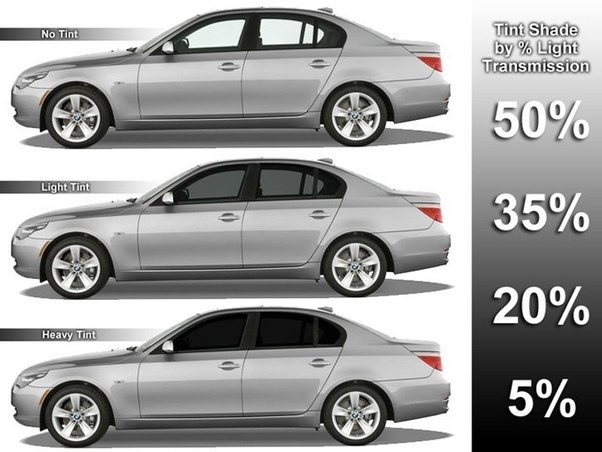
Because of this, Victoria police ran an operation in 2016 cracking down on illegal window tints. Despite the state legislated level of 35 per cent light transmittance, authorities detected cars with tints as low as 3 per cent.
“The closer the number is to zero, the less visibility. It’s extremely dangerous”, Senior Sargent Dale Johnstone said after the sting.
The Benefits of Window Tinting on your Automobile are Obvious
- Reduces glare – The strong sun rays can impact your vision on the road, making it dangerous to drive when it’s shining right into your face
- Protection the upholstery – Reducing UV light from the sun helps prevent fading of your upholstery, meaning your seats and other interior will look better for longer. This also helps the resell value of the car.
- Increased privacy – If others can struggle to see into your car, it will hide potential valuables and reduce break ins when the vehicle is parked. It also gives you more privacy while driving.
- Heat reduction – As well as reducing the sunlight, window tinting also minimises the amount of heat getting into your car, making you less reliant on the air conditioning system
So it’s not surprising that many drivers want to go down this road. But how can they be sure the tint they are getting is legal?
“A reputable installer will make sure they only install films that comply with the minimum 35 per cent limits”, Andrew Booth from local company All About Window Tinting told us.
“All of our automotive films are supplied by WFAANZ member manufacturers, and these are guaranteed to have low reflectivity, and abide by the local laws.”
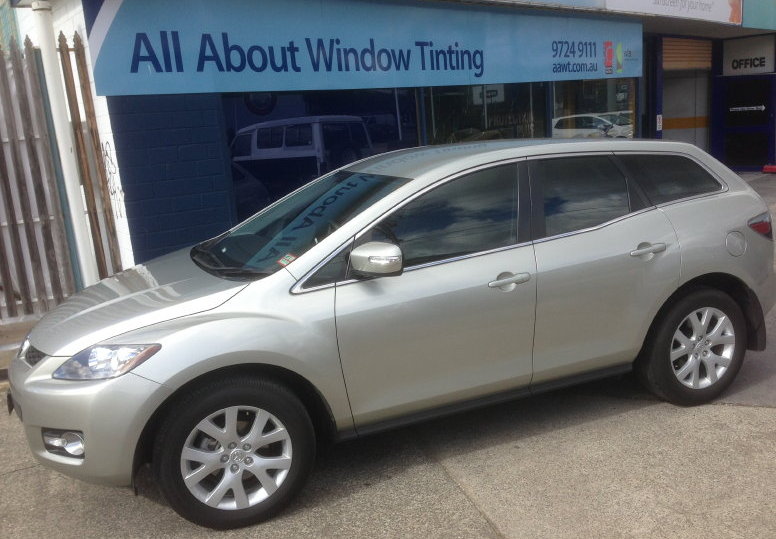
A vehicle fitted with a tinted windscreen or window which is not in accordance with the requirements of VicRoads is considered unroadworthy, and subject to fines and other penalties.
“Metallic tints can cause reflections from the sun or other light sources”, we were told by Richard of Kustom Window Tinting in Melbourne’s east. “This can distract drivers on the road and result in an accident”, he said.
So if you’re wanting to get your vehicle tinted but are scared about what you can or can’t do, speak to a professional. Consult with your WFAANZ member to ensure you don’t inadvertently break any laws, and get your tinting specialist to guarantee the film they are installing has at least 35 per cent light transmittance.
For further information please read the VicRoads Vehicle Standards Information or write to the Manager – Vehicle Safety & Policy
60 Denmark Street, Kew, 3101 or contact your local VicRoads Customer Service Centre.
Frequently Asked Questions
What is Visible Light Transmission (VLT) and why is it important for window tinting?
Visible Light Transmission, or VLT, is a measure of how much light can pass through your car’s windows. A lower VLT percentage means the tint is darker, letting less light in. Each Australian state and territory has rules about the maximum VLT allowed on different windows to ensure drivers have enough visibility.
Are there different tinting rules for windscreens compared to other windows?
Yes, there are. Generally, only a small strip at the very top of your windscreen can be tinted, and it must be above where your wipers sit. This is to make sure you can still see clearly, especially in bad weather. The rules for side and rear windows are usually different.
Can my car windows have a mirror-like finish after tinting?
Most places in Australia have rules against highly reflective tints. This means your windows shouldn’t act like mirrors. While some slight reflection is usually okay, a strong mirror effect is often not allowed to prevent dazzling other drivers.
Do the tinting laws differ between states and territories in Australia?
Absolutely. While there are some common rules, each state and territory in Australia has its own specific laws about how dark your window tint can be and how reflective it can be. It’s really important to check the rules for your specific location before getting your windows tinted.
What happens if my car’s window tint doesn’t meet the legal requirements?
If your window tint is too dark or too reflective for the law, you could face penalties. This might include on-the-spot fines or being told to remove the tint altogether. It’s best to get it done legally to avoid these issues.
Is it better to have my car windows tinted by a professional?
It’s highly recommended to use a professional installer. They know the Australian tinting laws for your area and have the right tools and experience to apply the film correctly. This helps ensure your tint looks good, lasts longer, and is fully legal.


